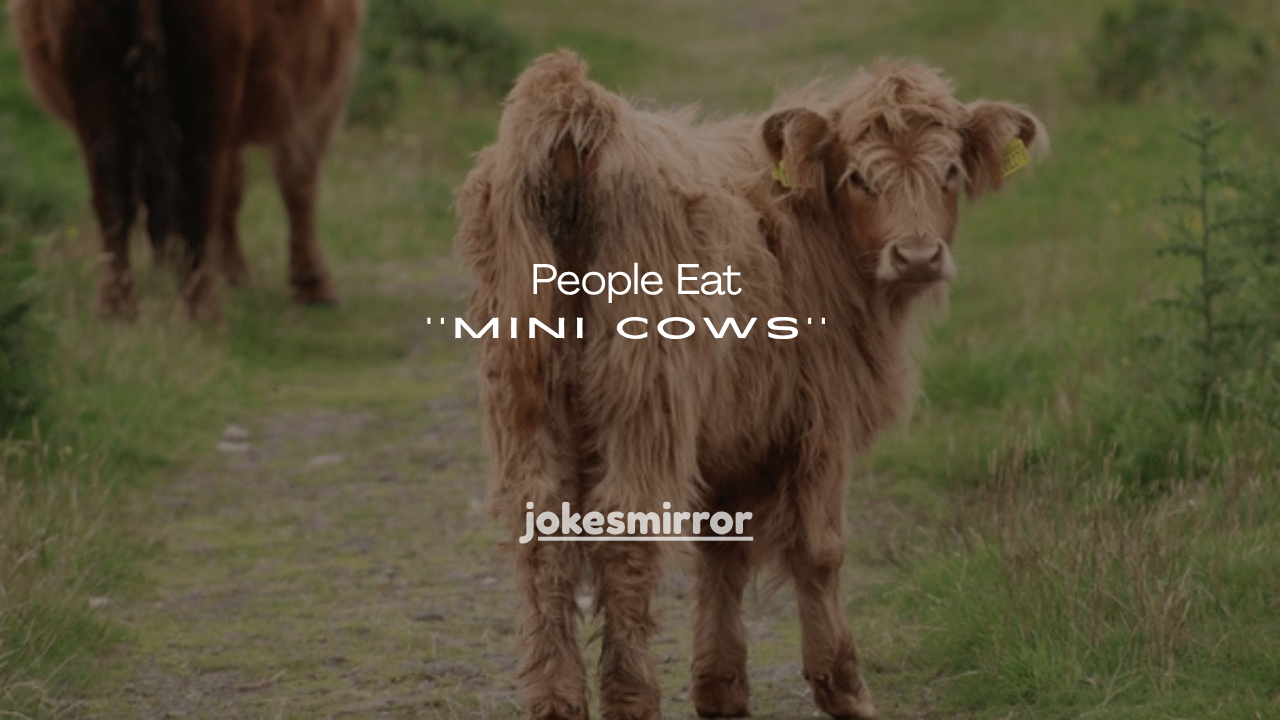
Mini cows have gained massive attention in recent years, especially among small-scale farmers and animal lovers.
Their compact size, cute appearance, and manageable care needs make them appealing—but a common question people ask is: do people actually eat mini cows?
The answer is more nuanced than a simple yes or no.
Check more here 9 Shocking Risks of Dogs Eating Gummy Bears + What to Do Immediately
15+ Key Facts About Mini Cows
- Mini cows are fully edible like regular cattle.
- They produce less meat, making them less profitable for beef farming.
- Many people keep mini cows as pets.
- Mini cows are popular in homesteading communities.
- Their meat tastes similar to standard beef.
- They require less land and feed.
- Mini cows are easier to handle than large cattle.
- They are often more expensive per pound of meat.
- Emotional attachment prevents many owners from slaughtering them.
- Mini cows are better suited for milk than meat production.
- They are considered eco-friendly livestock.
- Some breeds are specifically bred for companionship.
- Mini cows have a longer lifespan in pet settings.
- They are gaining popularity on social media.
- Legal rules for ownership vary by region.
- They are not commonly used in commercial meat industries.
What Are Mini Cows? (Quick Overview)
Definition of Miniature Cattle
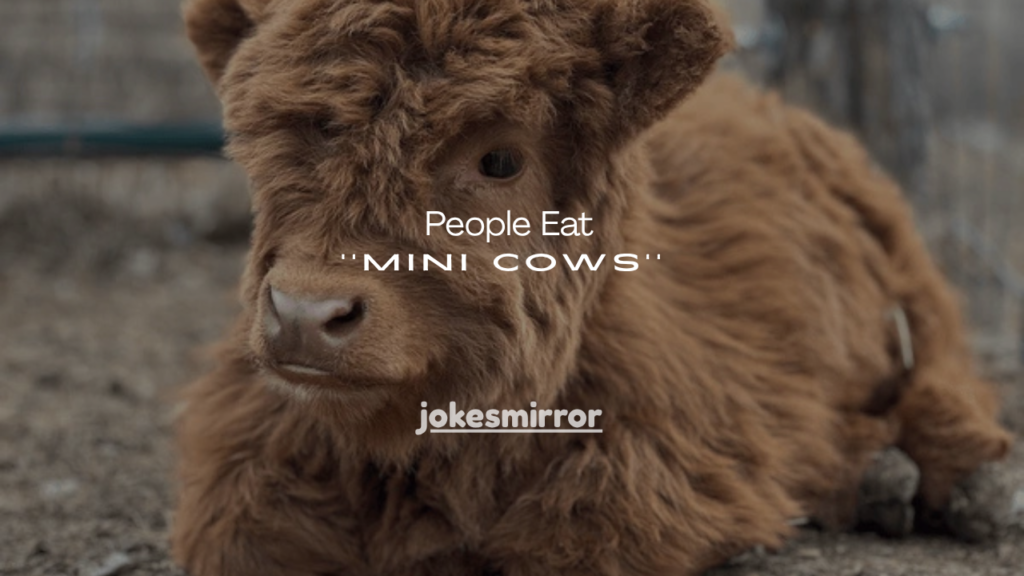
Mini cows, also known as miniature cattle, are selectively bred to be significantly smaller than standard cows. They typically stand under 42 inches tall at the shoulder and weigh much less than traditional breeds.
Popular Breeds (Mini Highland, Dexter, Zebu)
Some of the most well-known mini cow breeds include Mini Highland cattle, Dexter cows, and Miniature Zebu. Each breed has its own characteristics, but all are bred for smaller size and easier management.
How Mini Cows Are Different from Regular Cattle
Unlike standard cows, mini cows require less space, eat less feed, and are easier to handle. However, they also produce less milk and significantly less meat.
Do People Eat Mini Cows? (Direct Answer)
Yes, Mini Cows Can Be Eaten
Yes, people do eat mini cows. They are still cattle, and their meat is considered beef just like that from regular cows.
Why They Are Not Commonly Raised for Meat
Despite being edible, mini cows are rarely raised specifically for meat production because they yield less meat, making them less profitable for large-scale farming.
Cultural and Regional Differences in Consumption
In some regions, especially among homesteaders or small farmers, mini cows may be used for meat. However, in many cases, they are valued more as pets or for milk rather than slaughter.
Are Mini Cows Raised for Meat or Mostly as Pets?
Mini Cows as Pets and Companion Animals
Mini cows are often treated like pets due to their friendly nature and manageable size. Many owners form strong emotional bonds with them.
Small-Scale Farming and Homesteading Use
They are popular in homesteading because they provide milk and require less land, making them ideal for small farms.
Meat Production vs Emotional Value
Because of their pet-like status, many owners choose not to slaughter them, even though they technically can be used for meat.
Is Meat from Mini Cows Different?
Taste and Texture Compared to Regular Beef
Mini cow meat tastes similar to regular beef, though some people describe it as slightly richer due to smaller-scale farming and natural feeding.
Nutritional Value of Mini Cow Meat
The nutritional profile is nearly identical to regular beef, offering protein, iron, and essential vitamins.
Is It More Expensive?
Yes, meat from mini cows can be more expensive due to lower yield and higher cost per pound
Why Farmers Don’t Prefer Mini Cows for Meat Production
Lower Meat Yield
Mini cows produce significantly less meat compared to standard cattle breeds, making them inefficient for commercial beef production.
Higher Maintenance Cost per Pound
Even though they eat less, the cost per pound of meat is higher because of their smaller size.
Efficiency Compared to Standard Beef Cattle
Traditional cattle are bred specifically for meat efficiency, while mini cows are not optimized for that purpose.
Benefits of Raising Mini Cows (Beyond Meat)
Milk Production (Small Families & Farms)
Mini cows can produce enough milk for a small family, making them practical for personal use.
Space Efficiency (Backyard Farming Trend)
They require less land, which is perfect for people with limited space.
Sustainable and Eco-Friendly Farming
Mini cows contribute to sustainable farming due to lower resource consumption.
Ethical Considerations: Should You Eat Mini Cows?
Emotional Attachment as Pets
Many people view mini cows as companions rather than livestock, making the idea of eating them emotionally difficult.
Animal Welfare Concerns
Ethical farming practices play a major role in deciding whether to raise mini cows for meat.
Sustainable Meat Debate
Some argue that mini cows are better suited for sustainable farming, while others believe traditional cattle are more efficient overall.
Mini Cows vs Regular Cows: Key Differences
Size, Weight, and Growth
Mini cows are much smaller and grow more slowly compared to standard cattle.
Meat Yield Comparison
Regular cows produce far more meat, making them the preferred choice for commercial farming.
Cost and Maintenance
Mini cows are cheaper to maintain daily but less profitable for meat production.
Are Mini Cows Legal to Own and Slaughter?
Farming Laws by Region
Laws vary depending on the country or region, but in many places, mini cows are treated the same as regular cattle.
Backyard Slaughter Regulations
Some areas allow backyard slaughter, while others require licensed facilities.
Ethical vs Legal Debate
Even if it’s legal, ethical considerations often influence the decision more than laws.
Conclusion
Mini cows can be eaten, but they are rarely raised for that purpose. Their smaller size, lower meat yield, and growing popularity as pets make them more valuable as companions or for small-scale farming rather than commercial beef production. For most people, mini cows represent a lifestyle choice focused on sustainability and emotional connection rather than meat consumption.
Frequently Asked Questions (SEO Boost Section)
What is the tastiest breed of cow?
Taste depends on personal preference, but breeds like Angus and Wagyu are often considered among the tastiest due to their marbling and tenderness.
Can you drink the milk from a mini cow?
Yes, mini cows produce milk that is safe and nutritious to drink, often suitable for small households.
Are mini cows good for anything?
Mini cows are excellent for milk production, companionship, and sustainable small-scale farming.
What parts of a cow are not edible?
Most parts of a cow are edible in some cultures, but bones, horns, and certain internal parts are typically not consumed directly.