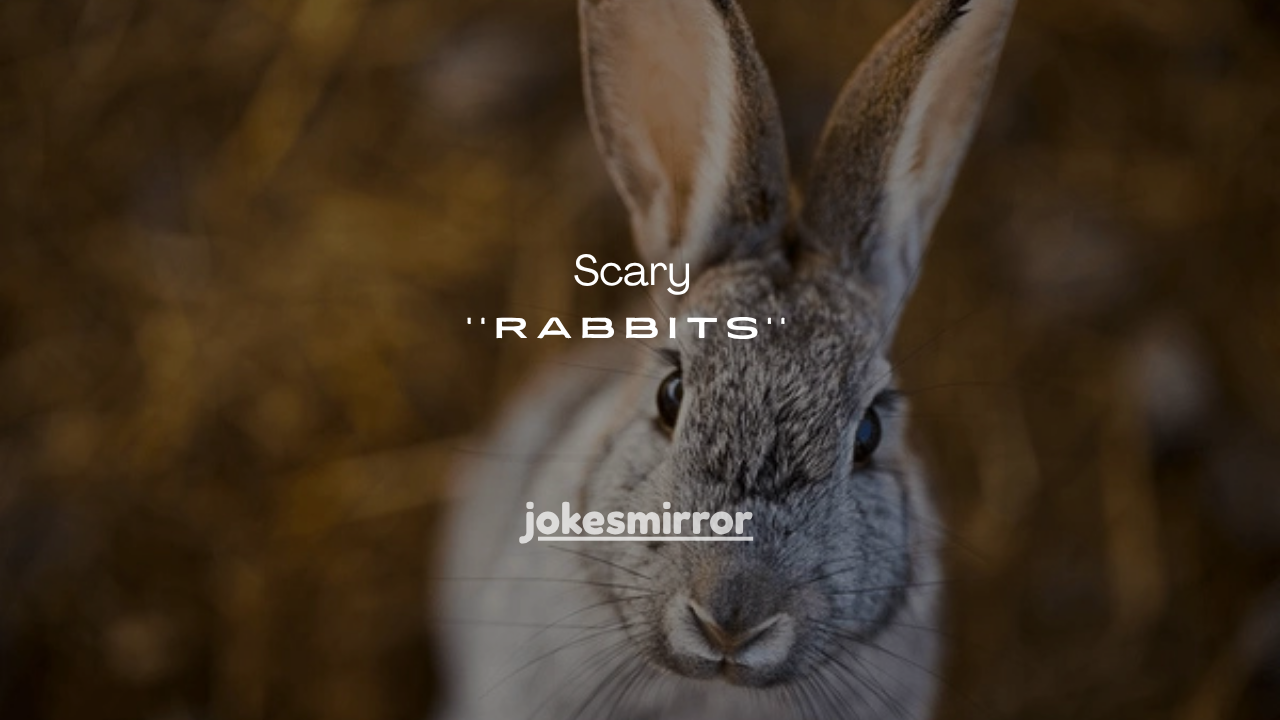
Rabbits are often seen as soft, harmless, and adorable pets, but behind that innocent appearance lies a world of intense survival instincts, sharp behaviors, and surprising biological traits.
These “cute” animals are far more complex—and in some ways, surprisingly unsettling—than most people realize.
Check more here 7 Causes of a 5-Year-Old Gummy Smile
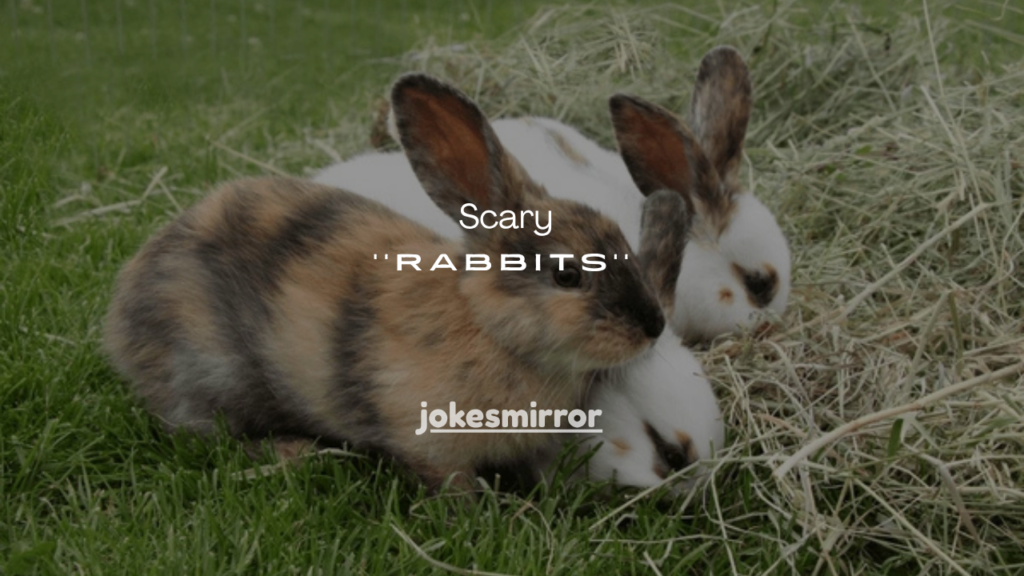
Scary Facts About Rabbit Behavior
Rabbits can freeze completely when terrified
- When scared, rabbits may become completely motionless to avoid detection
- This “freeze response” is a survival tactic against predators
- They can stay still for long periods even under stress
- It may look like they are calm, but they are highly alert
- Sudden movement can trigger panic afterward
- This behavior is common in both wild and domestic rabbits
- It is not relaxation but extreme fear response
They may thump loudly to warn of danger
- Rabbits stomp their hind legs as an alarm signal
- This sound warns other rabbits of potential threats
- It is often repeated multiple times in danger situations
- Domestic rabbits still retain this instinct
Sudden aggressive kicks with powerful hind legs
- A rabbit’s hind legs are extremely strong
- They can kick forcefully when threatened
- This can cause scratches or injury if handled poorly
- It is a defensive escape behavior
Silent suffering (they hide pain extremely well)
- Rabbits instinctively hide illness or pain
- In the wild, showing weakness makes them targets
- This makes health issues harder to detect early
They can bite unexpectedly when stressed
- Even calm rabbits may bite if frightened
- Stress, fear, or discomfort can trigger sudden reactions
- It is not aggression but defense
Territorial behavior in domestic rabbits
- Rabbits can become protective of their space
- They may act aggressively toward intruders
- This includes humans if boundaries are crossed
Creepy Physical Facts About Rabbits
360-degree vision (almost no blind spot behind them)
- Rabbits have nearly panoramic vision
- They can detect movement from almost all directions
- This helps them survive predators in the wild
Constantly growing teeth that never stop
- Rabbit teeth grow continuously throughout life
- They must constantly chew to keep them short
- Without proper diet, dental issues can become serious
Extremely fast heartbeat during stress
- Rabbits experience rapid heart rate when frightened
- Stress can significantly impact their body system
Fragile spine that can break easily
- A rabbit’s spine is very delicate
- Improper handling can cause serious injury
- Sudden kicking or dropping increases risk
Strong hind legs built for explosive escape
- Their legs are designed for quick bursts of speed
- They can jump and run rapidly to escape predators
- This power can also make handling tricky
Dark Survival Instincts of Rabbits
They can die from fear-induced shock
- Extreme fear can sometimes be fatal in rabbits
- Their stress response is very sensitive
- Loud noises or predators can trigger shock
Freeze response that makes them “play dead”
- Some rabbits remain completely still under threat
- This confuses predators into losing interest
They abandon weak babies in extreme situations
- In survival conditions, weak offspring may be left behind
- This is a harsh but natural instinct
Extreme reproductive survival strategy
- Rabbits reproduce quickly to ensure species survival
- This compensates for high predator loss rates
Dangerous Misconceptions About Rabbits
“Rabbits are always harmless pets” myth
- Rabbits can defend themselves when threatened
- They are not passive animals all the time
Underestimating their stress levels
- Rabbits are highly sensitive to environment changes
- Loud or sudden actions can stress them easily
Why improper handling can cause injury
- Holding rabbits incorrectly can harm their spine
- Stress may trigger biting or kicking
Scary Facts About Wild Rabbits vs Pet Rabbits
Wild rabbits are extremely alert and paranoid
- Wild rabbits are constantly aware of danger
- They rarely relax fully in open environments
Pet rabbits still carry wild instincts
- Even domesticated rabbits retain survival behaviors
- Their instincts activate under stress
Difference in aggression and survival behavior
- Wild rabbits react faster and more intensely
- Pet rabbits show milder but similar responses
Psychological & Emotional Behavior That Feels Creepy
Staring without blinking for long periods
- Rabbits often stare intently when alert
- This is a survival scanning behavior
Sudden silence when sensing danger
- They may become completely quiet instantly
- Silence helps them avoid detection
Extreme sensitivity to sound and movement
- Even small noises can startle them
- They react quickly to environmental changes
Are Rabbits Dangerous to Humans?
When rabbits can bite or scratch
- Rabbits may bite if they feel trapped or scared
- Scratches can occur during sudden kicks
Situations that trigger aggression
- Rough handling or sudden movements
- Invading their personal space
Safety tips for handling rabbits
- Always support their body properly
- Approach slowly and calmly
- Avoid loud noises around them
How Rabbits Survive in the Wild (And Why It Looks Scary)
Constant alertness and paranoia
- Rabbits are always scanning for threats
- They rarely feel completely safe
Fast escape reactions
- They can run and zigzag quickly
- Speed is their main defense mechanism
Group survival behavior
- Rabbits rely on group warnings for survival
- One alert rabbit signals danger to others
Interesting But Slightly Creepy Rabbit Facts
They can see behind themselves without turning
- Their eye placement gives wide-angle vision
- Helps detect predators instantly
They communicate danger through foot thumping
- Stomping is a warning signal system
- It spreads alert across groups
They sleep with eyes partially open
- This allows them to stay alert even while resting
- It helps them react quickly to danger
Common Myths About Rabbits
Rabbits are low-maintenance pets
- They require careful care and attention
- Their health needs are often underestimated
Rabbits don’t feel fear deeply
- Rabbits experience strong fear responses
- Stress affects them significantly
Rabbits are always social and friendly
- Their behavior depends on comfort and trust
- They can become defensive when stressed
Why Rabbits Seem Cute but Can Be Surprisingly Scary
The contrast between appearance and behavior
Rabbits look gentle and fluffy, which makes people assume they are completely harmless. However, their behavior is driven by survival, not cuteness, which can sometimes appear intense or even frightening.
Survival instincts behind “cute” behavior
Many rabbit behaviors that look playful are actually defense mechanisms developed to survive predators in the wild.
Why most people misunderstand rabbits
Because rabbits are popular pets, their natural instincts are often hidden or misinterpreted as personality quirks instead of survival responses.
Conclusion
Rabbits may look soft and harmless, but they are actually highly alert, emotionally sensitive, and deeply instinct-driven animals. Their behaviors are shaped by survival, making them both fascinating and surprisingly intense creatures when studied closely.
FAQs
What is a weird fact about bunnies?
Rabbits can see nearly all around themselves due to their wide-set eyes, giving them almost 360-degree vision.
How do rabbits say “sorry”?
Rabbits often show submission by gently nudging, grooming, or staying calm near another rabbit.
What smell do rabbits hate?
Strong smells like garlic, onions, and certain citrus scents are generally disliked by rabbits.
How do bunnies say “I love you”?
They show affection through grooming, staying close, and relaxing in your presence.