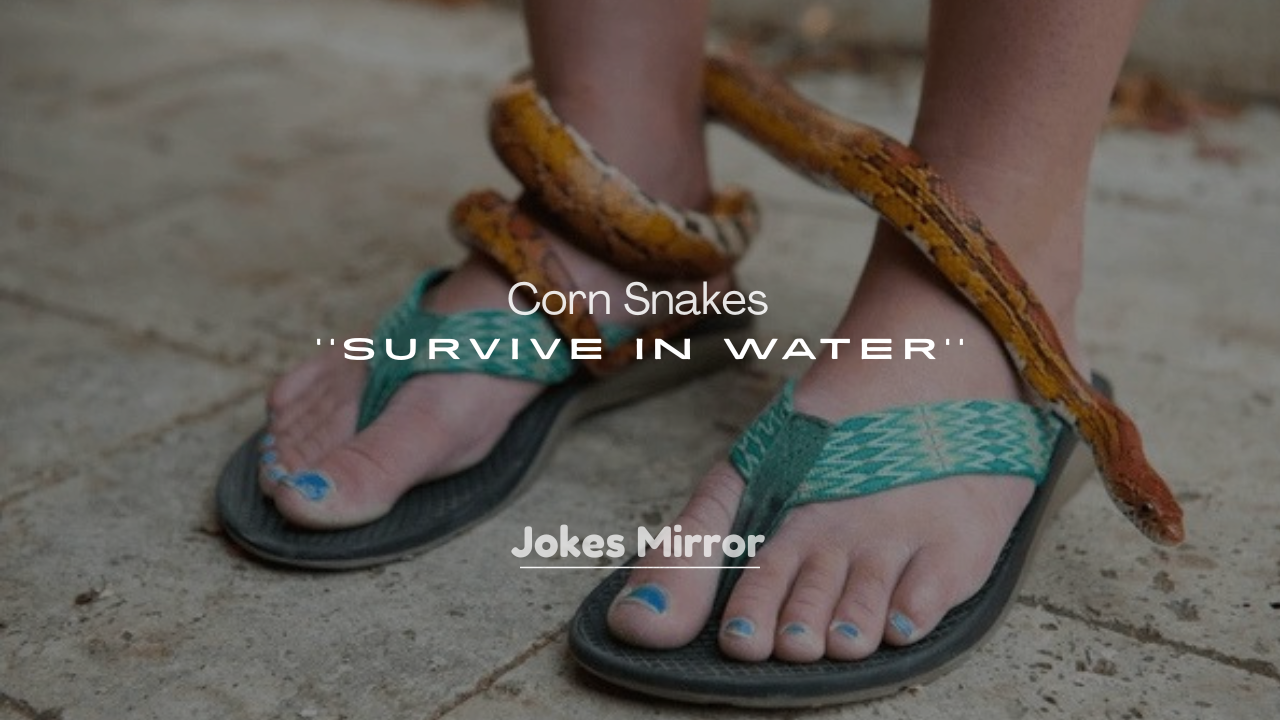
Corn snakes are fascinating reptiles known for their calm temperament and adaptability, but many owners wonder how they react to water.
Can they swim? Can they survive being submerged? Understanding their natural instincts and limits is important for keeping them safe.
This detailed collection explores everything about corn snakes and water—how long they can stay submerged, how swimming affects them, and how to ensure their safety.
Check more here 250+ Knock Restaurant and Bar Gallery
250+ Can Corn Snakes Survive in Water?
General Facts About Corn Snakes and Water
- Corn snakes can swim naturally.
- They usually avoid deep water.
- They can float and stay buoyant.
- Their bodies move smoothly in water.
- They are not aquatic reptiles.
- They swim mainly for survival.
- They can move faster in water when scared.
- Water is not their preferred habitat.
- They can glide across shallow water surfaces.
- They rely on instinct when swimming.
Corn Snake Swimming Ability
- Corn snakes use serpentine movement in water.
- Their muscles help them stay stable while swimming.
- They swim using side-to-side motions.
- Their lightweight bodies assist movement.
- They can change direction easily.
- They don’t tire quickly in shallow water.
- Their scales help reduce friction.
- Their tail acts like a rudder.
- Their swimming is graceful.
- They swim quietly to avoid predators.
Why Corn Snakes Enter Water
- They may seek water for hydration.
- Warm water helps loosen stuck shed.
- They hide in water to cool down.
- They escape predators through water.
- They search for food near water sources.
- They enter water when stressed.
- They explore water out of curiosity.
- They may be drawn to humidity.
- They may enter water accidentally.
- They may follow scents into water.
Can Corn Snakes Survive Long in Water?
- They can survive for short periods.
- They cannot breathe underwater.
- They rely on holding their breath.
- They may panic in deep water.
- They risk drowning if stressed.
- Waterlogged lungs are dangerous.
- They are safer in shallow water.
- Prolonged submersion is harmful.
- They cannot swim endlessly.
- Their survival depends on conditions.
Risks of Deep Water
- Deep water increases drowning risk.
- They may lose strength while swimming.
- Stress rises in unfamiliar environments.
- Cold water slows their movement.
- Strong currents can exhaust them.
- Overexertion causes fatigue.
- They may sink if tired.
- Water temperature shocks their system.
- They can’t escape without assistance.
- Incorrect handling leads to danger.
Water Temperature Effects
- Cold water drops their body temperature.
- Warm water helps their muscles relax.
- Too-hot water causes burns.
- Lukewarm water is safest.
- Temperature affects their heart rate.
- Rapid changes shock their system.
- Proper temperature helps shedding.
- Incorrect water temp causes stress.
- Extreme temperatures cause sickness.
- Water temp matters for survival.
Corn Snakes and Bathing
- Snakes can enjoy warm shallow baths.
- Bathing helps remove stuck shed.
- Bathing reduces mites.
- Bathing should be supervised.
- Bath depth should be minimal.
- They must have a way to climb out.
- Baths should last briefly.
- Baths must use clean water.
- Baths help hydration.
- Bathing should be occasional.
Hydration Through Water Bowls
- They drink from bowls normally.
- Bowls must be shallow.
- Bowls should be heavy and stable.
- Clean water prevents illness.
- Bowls must be placed securely.
- Water encourages healthy digestion.
- They may soak in bowls.
- Bowls help maintain humidity.
- They prefer quiet water areas.
- Bowls prevent dehydration.
Corn Snakes and Natural Habitats
- They live in forests.
- They live in fields.
- They live near farms.
- They live in dry environments mostly.
- They rarely live near deep rivers.
- They encounter puddles occasionally.
- Rainwater helps them stay hydrated.
- They may hide in moist areas.
- They don’t rely on water bodies for survival.
- Their natural habitat limits water exposure.
Underwater Survival Limits
- They can hold breath for minutes.
- They cannot breathe underwater.
- Stress decreases breath-holding time.
- Young snakes hold less air.
- Larger snakes last slightly longer.
- They must return to land to breathe.
- Repeated submersion is harmful.
- Lack of oxygen is dangerous.
- Water inhalation risks infection.
- Underwater survival is very limited.
Dangerous Water Situations
- Swimming pools are unsafe.
- Taking them into tubs is risky.
- Toilets are extremely dangerous.
- Deep buckets cause drowning.
- Lakes with currents increase danger.
- Ponds can trap them.
- Rain barrels are hazardous.
- Wet drains pose risks.
- Flooded enclosures cause panic.
- Strong waves overwhelm them.
Shedding and Water
- Water softens old skin.
- Warm baths assist shedding.
- Hydrated skin sheds easier.
- Humidity helps natural shedding.
- Stuck shed may require soaking.
- Water loosens eye caps.
- Over-soaking weakens scales.
- Clean water prevents irritation.
- Soaking should be supervised.
- Water speeds shedding for dehydrated snakes.
Corn Snakes in Captivity vs. Wild
- Captive snakes rely on owner care.
- Wild snakes manage natural risks.
- Captive snakes panic in deep water more.
- Wild ones avoid deep water instinctively.
- Captive snakes need controlled environments.
- Wild snakes find shallow water sources.
- Captive snakes depend on proper temperature.
- Wild snakes adapt slowly to water changes.
- Captive snakes require extra monitoring.
- Wild snakes rarely soak voluntarily.
Corn Snake Water Safety Tips
- Always use shallow water.
- Never leave them unattended.
- Keep water warm.
- Provide escape routes.
- Avoid deep containers.
- Watch for panic signs.
- Limit bath time.
- Avoid strong tap pressure.
- Dry them gently afterwards.
- Keep room warm during bathing.
Signs of Water Stress
- Rapid movement.
- Body stiffening.
- Attempting to escape quickly.
- Heavy breathing afterward.
- Hiding after bath.
- Unusual hissing.
- Lack of control.
- Loss of buoyancy.
- Floating sideways.
- Excessive trembling.
How Long They Can Stay Submerged
- Usually only a few minutes.
- Duration depends on stress level.
- Cold water shortens survival.
- Warm water slightly extends comfort.
- Young snakes last less time.
- Sick snakes struggle quickly.
- Overweight snakes tire faster.
- Thin snakes lose heat fast.
- Survival time is unpredictable.
- Submersion must never be intentional.
Corn Snakes as Escape Artists
- They may fall into water during escapes.
- Tanks must be secure.
- Escape attempts increase risks.
- Open drains attract exploring snakes.
- Escaped snakes panic in deep water.
- Secure lids prevent danger.
- Tank gaps increase risk.
- Escaped snakes dry out rapidly.
- They may hide near water sources.
- Escapes should be prevented always.
Do Corn Snakes Like Water?
- Most do not enjoy deep water.
- Some tolerate baths.
- Preferences vary by personality.
- Young ones fear water more.
- Adults may soak occasionally.
- Sick snakes avoid cold water.
- They dislike sudden splashes.
- They avoid noisy water.
- Calm water is preferred.
- Some never enter water willingly.
Corn Snakes and Health Problems from Water
- Too much moisture causes scale rot.
- Dirty water causes infections.
- Wet substrate leads to health issues.
- Prolonged soaking weakens them.
- Inhaling water causes respiratory issues.
- Parasites spread in moist environments.
- Cold water lowers immunity.
- Improper baths cause shock.
- Too much humidity harms them.
- Water must be used carefully.
Corn Snakes Drinking Habits
- They drink occasionally.
- They drink during digestion.
- They drink more in warm weather.
- They drink after shedding.
- They drink after activity.
- They drink when dehydrated.
- They sip slowly.
- They drink silently.
- They may soak before drinking.
- Clean water encourages drinking.
Corn Snakes and Emergency Water Incidents
- Accidental falls cause panic.
- They may drown in deep sinks.
- Flooded tanks are emergencies.
- Quick removal prevents drowning.
- Drying them is crucial.
- Warmth helps recovery.
- Stress monitoring is needed.
- Vet help may be required.
- Panic causes breathing issues.
- Quick response saves lives.
Corn Snakes and Swimming Duration
- Swimming tires them quickly.
- They cannot swim long distances.
- They swim only when needed.
- Short sessions keep them safe.
- Excess swimming weakens them.
- Stress reduces stamina.
- Warm water helps stamina slightly.
- They must rest often.
- They prefer land immediately.
- Swimming is not their lifestyle.
Corn Snakes and Water Myths
- They are not water snakes.
- They cannot live underwater.
- They cannot swim for hours.
- They cannot survive long submersion.
- They do not enjoy deep baths.
- They are not natural swimmers.
- They cannot stay underwater safely.
- They should not live near water tanks.
- Water won’t fix all shedding issues.
- They are not amphibious animals.
Safe Handling After Exposure to Water
- Drying is necessary.
- Use soft towels.
- Avoid sudden temperature drops.
- Keep them warm afterwards.
- Do not return them to cold enclosures.
- Ensure no water enters nostrils.
- Watch their breathing.
- Offer a quiet resting place.
- Observe for stress signs.
- Monitor behavior changes.
Endurance Factors in Water
- Health affects survival.
- Age matters.
- Temperature affects endurance.
- Stress reduces capacity.
- Calm snakes survive longer.
- Fitness impacts movement.
- Diet affects muscle strength.
- Environment impacts confidence.
- Water cleanliness matters.
- Snake personality varies.
Bonus Fact
Corn snakes can survive short exposure to water but cannot live or stay underwater for extended periods.
Extra Content Sections (H2)
Why Corn Snakes Should Not Stay in Water Long
Corn snakes are not aquatic creatures, and keeping them in water for long periods leads to stress and physical exhaustion. While they can swim, they lack the adaptations needed for continuous movement in water. Their breathing relies solely on air, so extended exposure quickly becomes dangerous and life-threatening.
How Water Helps Corn Snakes During Shedding
During shedding, humidity plays a major role in loosening old skin. A short, lukewarm soak can help when shed becomes stuck, especially around the tail or eyes. However, the water must stay shallow, warm, and supervised to avoid accidental drowning or panic.
Understanding Natural Corn Snake Behavior
In the wild, corn snakes rarely encounter deep water. They prefer dry, warm habitats and only approach shallow puddles or moist areas when needed. This natural avoidance of deep water reflects their inability to live in aquatic environments and their preference for land-based movement.
How to Handle Accidental Drowning Risks
If a corn snake falls into deep water, immediate action is necessary. Carefully removing the snake, drying it, and warming its body helps stabilize its condition. If the snake shows signs of labored breathing or unusual behavior, veterinary help may be needed to prevent further complications.
The Importance of Water Cleanliness
Dirty water encourages bacterial growth and increases the risk of infection. Whether using water for bathing, humidity, or drinking, cleanliness is essential. Fresh, filtered, or dechlorinated water reduces health risks and maintains hydration safely.
Should You Let Your Snake Swim?
While swimming may be enjoyable for some snakes, it must be handled with care. Only use shallow water and limit the session duration. Swimming should never replace proper husbandry practices, such as maintaining humidity, providing clean drinking water, and offering regular environmental enrichment.
How Corn Snakes React to Cold Water
Cold water can cause severe stress, muscle stiffness, and respiratory issues. Corn snakes thrive in warm environments, so cold temperatures quickly disrupt their body function. Using lukewarm water is always the safest choice, ensuring comfort and avoiding shock.
Conclusion
Corn snakes can survive in water for short periods, thanks to their natural swimming ability, but they are not aquatic animals and cannot stay submerged safely. With proper care, controlled exposure, and safe water practices, they can explore water without risk.
For more reptile-related insights, you can check this helpful article on Reptile Guide.
FAQs
Can corn snakes swim naturally?
Yes, they can swim using instinctive serpentine movements but only for short periods.
Can corn snakes drown?
Yes, they can drown if left in deep water or if they panic.
Is bathing safe for corn snakes?
Bathing is safe only when the water is shallow, warm, supervised, and brief.
Do corn snakes like water?
Most tolerate water but do not actively seek it out or enjoy deep water.
How long can corn snakes stay underwater?
Only a few minutes, depending on stress, temperature, and health.